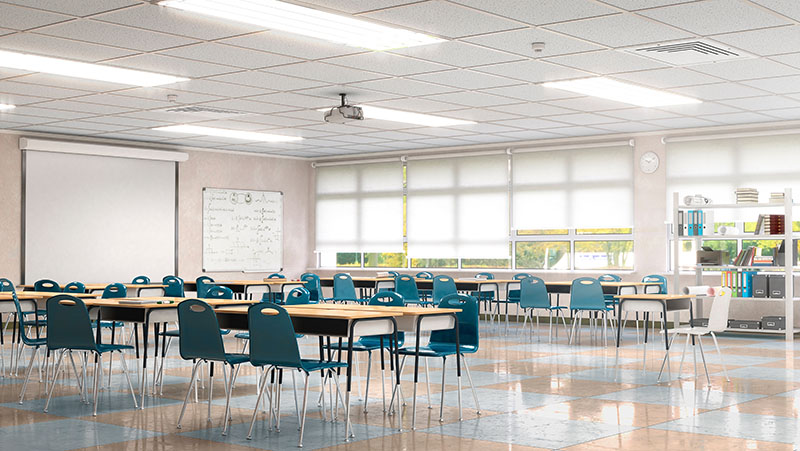
It’s no secret that cleanliness is essential for a healthy learning environment. In schools and educational buildings, where hundreds of students and staff members come together every day, germs and illnesses can spread quickly.
In this article, we will discuss why regular cleaning and sanitising of schools and educational buildings are crucial for creating a healthier learning environment.
- The Importance of Cleanliness in Schools
A clean school is not just aesthetically pleasing, but it’s also essential for student health and safety. Research has shown that a clean environment reduces the spread of germs and illnesses, leading to fewer absences, increased productivity, and better academic performance. Additionally, a clean school environment creates a positive learning atmosphere, promoting a sense of pride and respect among students and staff. - The Risks of Poor Sanitisation
When schools are not adequately sanitised, they can become breeding grounds for harmful bacteria and viruses. Common areas such as classrooms, hallways, and bathrooms are particularly vulnerable to the spread of germs. Students and staff can easily pick up viruses from contaminated surfaces, leading to absenteeism and a decrease in productivity. Poor sanitisation can also lead to the outbreak of illnesses such as flu, strep throat, and norovirus. - Best Practices for Cleaning and Sanitising Schools
To maintain a healthy learning environment, schools must follow best practices for cleaning and sanitising. Regular cleaning schedules should be established, and high-touch surfaces such as door handles, desks, and countertops should be sanitised throughout the day. bathrooms should be cleaned and disinfected regularly, and trash cans should be emptied daily. Schools should also provide hand sanitising stations throughout the building, particularly in high traffic areas such as entrances and exits. - The Benefits of Professional Cleaning Services
While schools can establish their own cleaning protocols, professional cleaning services can provide an extra layer of protection against germs and viruses. Professional cleaners have access to specialised cleaning products and equipment, and they have the knowledge and expertise to identify high-risk areas and provide targeted cleaning and sanitisation. Additionally, outsourcing cleaning services can free up staff members to focus on their core duties, such as teaching and administration. - The Role of Students and Staff in Maintaining a Clean Environment
Creating a healthy learning environment is not just the responsibility of cleaning staff. Students and staff must also play an active role in maintaining cleanliness. Students should be taught proper handwashing techniques and encouraged to use hand sanitiser frequently. They should also be encouraged to clean up after themselves, particularly in common areas such as the cafeteria. Staff should also be trained in best practices for maintaining a clean environment, such as properly storing cleaning supplies and reporting any maintenance issues.
Creating a healthy learning environment requires a collective effort from everyone involved. Regular cleaning and sanitisation, both through established protocols and professional cleaning services, can significantly reduce the spread of germs and illnesses among students and staff.
By working together to maintain cleanliness and promote healthy habits, schools can create a safe and productive learning environment for all.
FAQs:
Q: How often should schools be cleaned and sanitised?
A: Schools should establish a regular cleaning schedule that includes daily sanitisation of high-touch surfaces and regular cleaning and disinfecting of bathrooms.
Q: What are some high-risk areas for germs and viruses in schools?
A: High-risk areas include bathrooms, classrooms, cafeterias, and common areas such as libraries and gymnasiums.
Q: Can cleaning products be harmful to students and staff?
A: Cleaning products should be used according to their instructions, and cleaning staff should take care to store and handle them properly. When in doubt, schools can consult with professional cleaning services to ensure safe and effective cleaning practices.
Q: How can students and staff help maintain cleanliness in schools?
A: Students and staff can help maintain cleanliness by practising proper handwashing techniques, using hand sanitiser frequently, and cleaning up after themselves in common areas such as the cafeteria. Staff can also report any maintenance issues to ensure a safe and clean learning environment.
Q: What are the benefits of outsourcing cleaning services?
A: Professional cleaning services can provide targeted cleaning and sanitisation, using specialised products and equipment. Outsourcing cleaning services can also free up staff members to focus on their core duties, such as teaching and administration.
Looking for a reliable cleaning service for your educational building? Look no further than Evergreen Facilities Services! With over 30 years of experience, we specialise in cleaning primary, secondary, college, and nursery buildings. We currently service 45 education sites in Hertfordshire and 30 education sites in London, including North London and Westminster areas.
At Evergreen Facilities Services, we strive to build long-term partnerships with our schools. We take a professional approach to our work, operating as a family business with a corporate mindset. Join our portfolio of schools that dates back to our formation in 1991 and experience the difference of working with a trusted cleaning service provider. Contact our team here